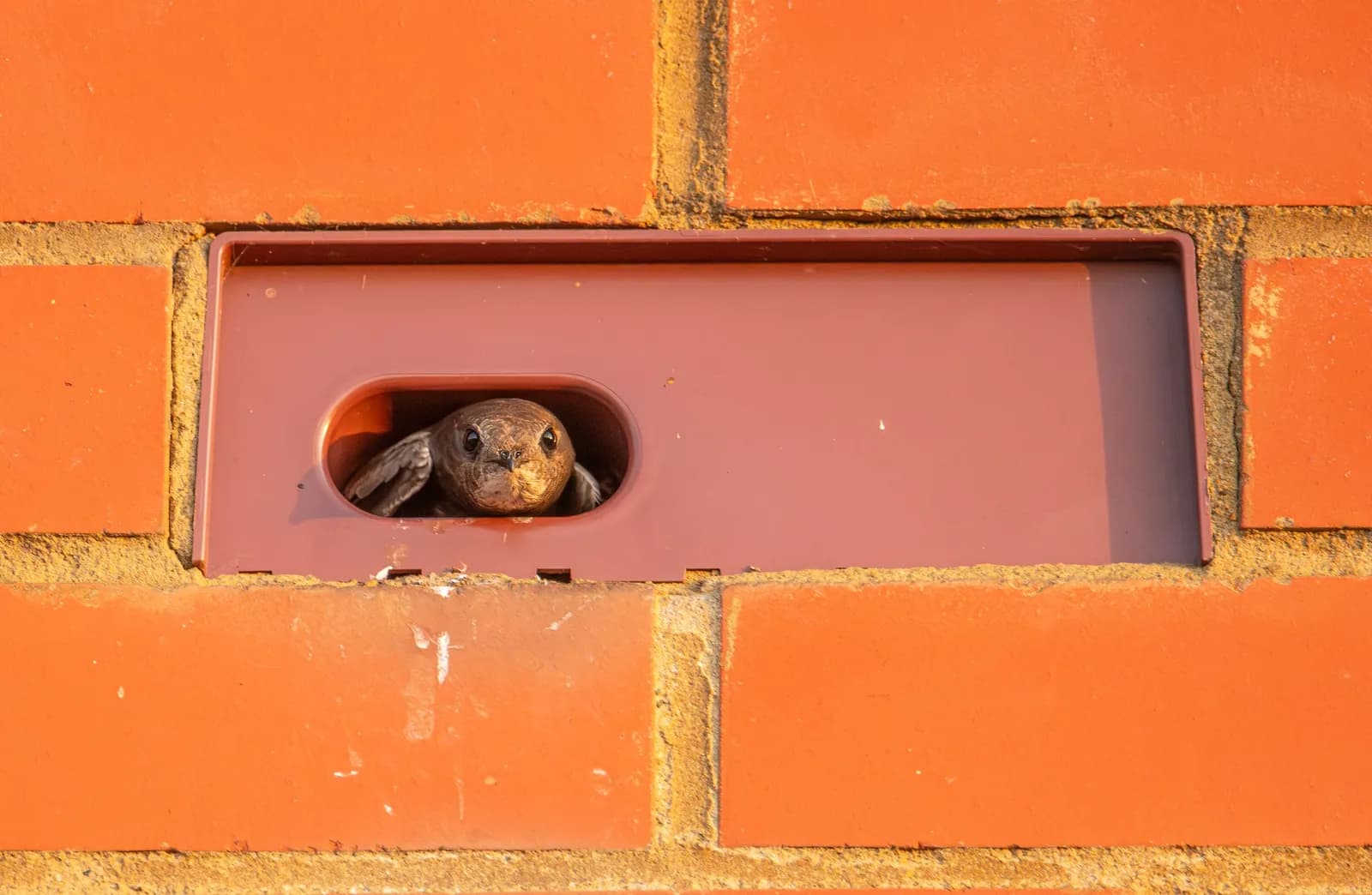
To help ensure swifts continue to thrive across Devon, the housebuilder has announced an ambitious target of installing 10,000 swift bricks by the end of 2027.
The initiative will include new swift bricks at five developments across the county, creating dedicated nesting spaces for these much-loved birds.
With swifts being added to the UK red list of conservation concern following a decline by two-thirds since 1995, providing new homes for the birds has become more important than ever. Since 2016, Barratt Redrow has worked with RSPB, a national conservation charity, to install special swift nesting bricks that form part of external walls of new homes.
Swifts are a species of bird that migrate to the UK every year to raise their young and rely on spaces in buildings for nesting. The species has seen a decline in numbers, in part due to modern building methods that can reduce the swifts’ opportunities for nesting, while older buildings have faced demolition over the years.
Soon, for every new home built, a swift brick will be installed, as part of the new Homes for Nature initiative developed by the Future Homes Hub and signed by all the country’s largest housebuilders.
Richard Lawson, Sales Director at Barratt David Wilson Bristol, said:
We’re proud to have supported the installation of 7,000 swift bricks since 2016 and remain committed to installing swift bricks in homes across Devon.
Creating and supporting thriving communities is at the heart of everything we do here at Barratt David Wilson Bristol – and that includes our wildlife neighbours and communities too. Swifts are an iconic part of the British summer, but their numbers have unfortunately fallen dramatically in recent decades.
By incorporating more swift bricks into Devon homes, we hope to play a practical role in supporting their recovery while creating places where both people and nature can thrive.